

in 10 Days / 9 Nights
Tour Code: WET04
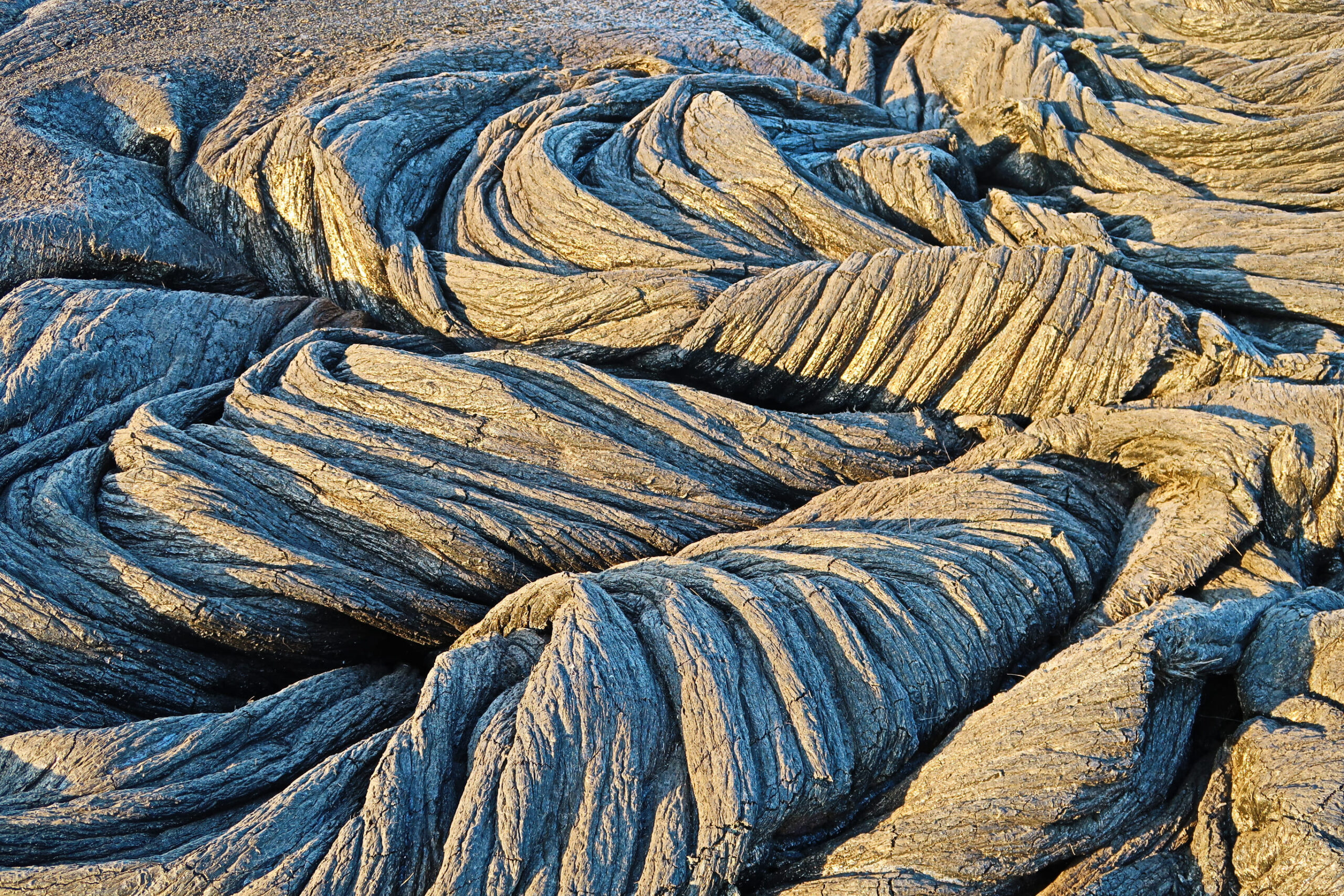
This is not a simple tour, but a real expedition into the heart of Ethiopia, a country where nature expresses itself with primordial force and local cultures retain a rare authenticity. We will enter Dancalia, one of the hottest and most inhospitable regions on Earth, a lunar landscape of active volcanoes, salt lakes and geysers. We will explore Harar, a walled city and UNESCO heritage site, a crossroads of Islamic cultures and traditions.
Day 1
Addis Ababa – Harar: The Beginning of the Adventure
Flight: 1 hour to Dire Dawa.
Transfer: Transfer by 4×4 vehicles to Harar (50 km – approximately 1.5 hours)
Our journey begins in Addis Ababa, a rapidly growing metropolis, a mosaic of ethnic groups and cultures. After a meeting with our team, we board an Ethiopian Airlines flight to Dire Dawa, an important transit city in the eastern part of the country. Upon arrival, a car transfer will take us to Harar, a city that seems to have come out of a storybook, located at 1840 meters above sea level. Here, time seems to have stopped, and the atmosphere is that of an ancient caravan city. Hotel accommodation. Full board.
Day 2
Harar: A Journey through Time
Excursion: city tour of the white city Harar, a UNESCO heritage site.
Not to be missed: Arthur Rimbaud’s House – Harar Cultural Center – Sherif City Museum – the man of the hyenas.
The whole day is dedicated to the discovery of Harar, a city with an ancient history. It was once the capital of a Muslim kingdom, then it became part of Ethiopia. Harar is a special place, protected by UNESCO, where all the buildings are ancient and traditional. Here, the houses and buildings show influences of different styles, from India, Armenia, Egypt and the Arab world. Harar is not a museum, but a city full of life. Its narrow streets and white houses are always animated. Ethiopia is a large and diverse country, and Harar shows a completely different side. As soon as you enter the city, you feel the influence of Arab culture, which has shaped the lives of people. The color white dominates the city, mosques are landmarks and the architecture is reminiscent of the Arab style. The way of life, the rhythm of the day marked by the consumption of “gat” (a chewed plant), the relaxed atmosphere and the ways of the people are very reminiscent of Arab and Yemeni traditions. Harar is also linked to historical figures such as Ras Makonnen, the father of the last Ethiopian emperor Haile Selassie, and the French poet Arthur Rimbaud, who lived and worked here. We also cannot forget Hugo Pratt, the creator of Corto Maltese, who spent part of his youth in Ethiopia and found inspiration for his drawings in these very places. Accommodation at the Grandgato Hotel. Full board.
Day 3
Harar – Awash: Towards the Rift Valley.
Transfer: Transfer by 4×4 vehicles to Awash (330 km, approximately 5 hours).
Not to be missed: The breathtaking views of the northern Rift Valley – stay in a lodge surrounded by nature, with natural thermal pools.
Our route winds along a panoramic road that follows the mountain ridge, constantly remaining between 2000 and 2400 meters above sea level. The landscape is characterized by chat plantations, sorghum fields and isolated eucalyptus and juniper forests, typical of the high-altitude environment. Awash National Park: Awash National Park offers a classic Northern Rift Valley setting: golden savannah, the Awash River flowing in the background and the Fantale volcano dominating the area, with the road and railway bisecting it. Stay at Doho Lodge: Our lodge is situated on the shores of a lovely lake, enriched by two thermal pools. Full board.
Day 4
Awash – Alalobed: Geysers and Hot Springs
Transfer: 4×4 transfer to Alalobed (390 km, approx. 6 hours)
Not to be missed: Alalobed Spouter: The geyser that reaches 6-30 meters – The thermal pools of Alalobed: Hot waters with unique colors – Bird watching.
Excursion: Visit the hot springs, fumaroles, geysers and colored thermal pools of Alalobed. Geothermal Trekking
In this park of about 800 km², the oryx antelope is the dominant species. However, with a bit of luck, it is also possible to spot gazelles, baboons, colobus monkeys and an extraordinary variety of birdlife, with 392 species recorded. The Alalobed Hot Springs: the journey continues towards the hot springs of Alalobed, where you will arrive before sunset. Alalobed is characterized by fumaroles, small craters of boiling mud and gas emissions. The main attraction is the numerous pools of hot water, which have an unusual color, with shades of intense green, blue and yellow. These natural pools, of considerable depth, are filled with hot and steaming water.
Geothermal Phenomena: One of the pools hosts an almost permanently active geyser, the Alalobed Spouter, which usually reaches 6 meters in height, but on rare occasions can reach 30 meters. The water in this area reaches temperatures of 97 ° C. Another geyser, located in a nearby spring, rises up to 3 meters. Other springs show pulsating activity, with periodic increases in boiling. Moving northwest, you can observe the remains of an ancient geothermal field now inactive. Dinner and overnight in a tent.
Day 5
Alalobed – Asayta market – Galyloma: Meeting with the Afar
Transfer: Transfer by 4×4 to Afambo – Galyloma (200km, approximately 4 hours)
Not to be missed: Asayta market: Authentic and colorful – Meeting with the Afar ethnic group – Galyloma purple lake (dromedary lake) – The crocodiles of the Afambo and Gamarri lakes.
Excursion: Visit to the weekly market of Asayta.
Today we will enter the region of the Afar, a proud and independent people who live in this inhospitable land. We will visit the Asayta market, a lively and very colorful place where we can meet the Afar, observe their traditions and buy local products. In the afternoon, we will move to Galyloma Lake, a purple volcanic lake, where we will set up our tented camp. Dinner and overnight in a tent.
Day 6
Galyloma – Erta Ale: The Ascent to the Volcano
Transfer: Transfer by 4×4 to Erta Ale (320km, about 6 hours)
Not to be missed: Erta Ale volcano – the Danakil landscape – the salt pans of Lake Afdera
Excursion: Trekking to Erta Ale: Night ascent to the active volcano.
The journey continues to Afdera, a settlement of about ten thousand inhabitants, which has developed in recent years thanks to the salt pans located on the shores of Lake Afrera, formerly known as Lake Giulietti.
Lake Afrera, located 140 meters below sea level, is a body of brackish water surrounded by basalt formations. The area is characterized by the presence of thermal springs fed by the Erta Ale volcanic system. Along the shores of the lake, water is extracted and left to evaporate in the salt pans, producing high-quality salt.
The route winds along the foothills of the volcanic chain, with Erta Ale rising as the southern landmark. The Dodom plain, during the rainy season, transforms into a stretch of green pastures. From here, the journey continues to the base of Erta Ale volcano. The ascent to the summit takes about 30 minutes, offering the opportunity to make both night and morning visits from the base camp. Dinner and overnight stay in tents.
Day 7
Erta Ale – Assabole
Transfer: Transfer by 4×4 vehicles to Assabolo (120km, approximately 3 hours)
After admiring the sunrise over Erta Ale volcano, we will begin the descent and head towards the village of Ahmed Ela, the only human settlement in this desert area. From here, we will continue to Assabolo, a village located on the banks of the Saba River, where we will set up our camp. Dinner and overnight stay in tents.
Day 8
Dallol: A Lunar Landscape
Excursion: Dallol (20km, approx. 30 min)
Not to be missed: Dallol, a lunar landscape with geysers and colorful hot springs – Geothermal activity, natural phenomena such as boiling lakes and salt formations – Landscape contrasts.
Today we reach an extraordinary location, Dallol, “the place of spirits”, an extraordinary and surreal volcanic hill of about 50 meters located in the Danakil Depression, a place characterized by intense geothermal activity. Geysers and hot springs shape the landscape, creating salt and mineral formations with bright colors and unusual shapes. The area is of historical interest for the presence of an Italian mining village from the 1930s, whose ruins are still visible. Geothermal activity continues to manifest itself in the surroundings of the hill, with hot springs and boiling lakes. To the west, imposing salt stacks mark the border with Eritrea, while to the south lies the Assa Ale mound, a magnesium sulphate salt formation. The Dallol landscape offers an extraordinary natural spectacle, a place where the strength of the earth manifests itself in all its power. Return to the camp in the afternoon. Dinner and overnight in tents.
Day 9
Assabole – Mekele (via Alaba) – Addis Ababa: The Return
Transfer: Transfer by 4×4 vehicles to Mekelè (240km, approximately 4 hours)
In the morning, a walk of approximately 2 hours in the canyon of the Saba River, return to the camp and we will head towards Mekele, a city located on the Ethiopian plateau. Lunch in Mekele. From here, we will take an Ethiopian Airlines flight that will take us back to Addis Ababa, where we can rest and prepare for the last day of our trip.
Day 10
Addis Ababa: The Last Day
Excursion: Addis Ababa City Tour
Today we will dedicate the last day to visit Addis Ababa. We will visit the Ethnographic Museum, which houses a rich collection of artifacts from different Ethiopian cultures, and the National Museum, where we can admire the skeleton of Lucy, a 3.5 million year old hominid. In the afternoon you will have free time for shopping or relaxing a bit. Day Use rooms are available (one room for every four people) to give you the opportunity to freshen up before departure. In the evening, dinner and preparation for the return flight.
END OF PROGRAM